
JOURNALISTS & PRODUCERS
Media
Media
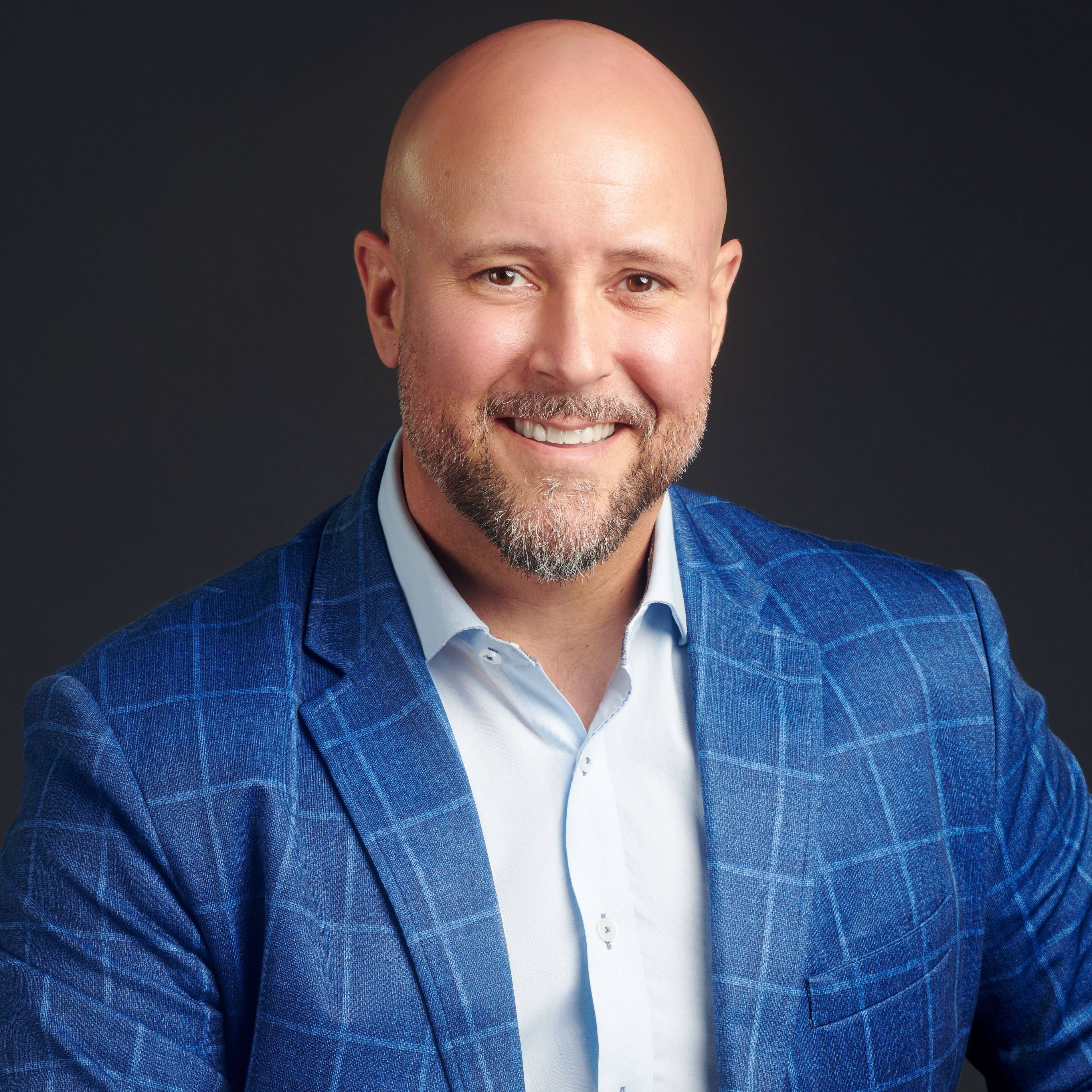
Travis Mueller spent twenty years running global operations for a Fortune 500 company before walking away to build a Tampa-based fiduciary investment firm. He speaks about executive compensation, business exits, and what actually happens to people's money when their career ends.
Travis Mueller spent twenty years running global operations for a Fortune 500 company before walking away to build a Tampa-based fiduciary investment firm. He speaks about executive compensation, business exits, and what actually happens to people's money when their career ends.
Travis Mueller
Founder, CEO & Chief Investment Officer
BIO & CREDENTIALS
Travis Mueller
Three bio lengths, ready to copy. For high-resolution photos, speaking topics, or interview requests, contact details are below.
Short - 26 Words
Travis Mueller is founder and CEO of Union Grove Capital, a Tampa fiduciary wealth management firm. He is a U.S. Navy veteran and former Fortune 500 executive.
Travis Mueller is founder and CEO of Union Grove Capital, a Tampa fiduciary wealth management firm. He is a U.S. Navy veteran and former Fortune 500 executive.
Medium - 78 Words
Travis Mueller is the founder and CEO of Union Grove Capital, a Florida-registered fiduciary wealth management firm in Tampa. He spent twenty years in Fortune 500 operational leadership, including running a $1.2 billion global business segment across more than 75 countries at GE/FieldCore. A U.S. Navy veteran, he left corporate life to build the firm he couldn't find as a client. He writes at The Refinery and lives in Tampa with his wife and two sons.
Travis Mueller is the founder and CEO of Union Grove Capital, a Florida-registered fiduciary wealth management firm in Tampa. He spent twenty years in Fortune 500 operational leadership, including running a $1.2 billion global business segment across more than 75 countries at GE/FieldCore. A U.S. Navy veteran, he left corporate life to build the firm he couldn't find as a client. He writes at The Refinery and lives in Tampa with his wife and two sons.
Long - 152 Words
Travis Mueller is the founder and CEO of Union Grove Capital, a Florida-registered fiduciary wealth management firm based in Tampa that works with executives, business owners, and retiring leaders. He spent twenty years in Fortune 500 operational leadership, most recently running a $1.2 billion global business segment across more than 75 countries at GE/FieldCore, where he led M&A integrations and business turnarounds. A U.S. Navy veteran, he entered financial services in 2021 and founded Union Grove Capital to bring operational discipline to the parts of a family's financial life that usually go uncoordinated — income, investments, taxes, protection, and estate. His work focuses on the people the industry tends to underserve: senior executives whose wealth is tied up in the job they can't easily leave, and owners whose net worth sits inside a company they haven't yet sold. He writes at The Refinery. He lives in Tampa with his wife Laura and their two sons.
Travis Mueller is the founder and CEO of Union Grove Capital, a Florida-registered fiduciary wealth management firm based in Tampa that works with executives, business owners, and retiring leaders. He spent twenty years in Fortune 500 operational leadership, most recently running a $1.2 billion global business segment across more than 75 countries at GE/FieldCore, where he led M&A integrations and business turnarounds. A U.S. Navy veteran, he entered financial services in 2021 and founded Union Grove Capital to bring operational discipline to the parts of a family's financial life that usually go uncoordinated — income, investments, taxes, protection, and estate. His work focuses on the people the industry tends to underserve: senior executives whose wealth is tied up in the job they can't easily leave, and owners whose net worth sits inside a company they haven't yet sold. He writes at The Refinery. He lives in Tampa with his wife Laura and their two sons.
TOPICS
On The Record
On The Record
Four tracks Travis covers regularly, with sample questions — available for live and taped segments, panels, and podcast interviews.
Four tracks Travis covers regularly, with sample questions — available for live and taped segments, panels, and podcast interviews.
01
Equity compensation: the wealth that isn't yours yet
Equity compensation: the wealth that isn't yours yet
Executives can have seven figures on paper and almost nothing decided. Vesting schedules, blackout windows, and a calendar set by the company — not the family — mean the biggest financial decisions of a career get made in the smallest windows.
What makes equity compensation so much harder to plan around than a paycheck?
Why is "I'll deal with my equity when I leave" such an expensive sentence?
What should change in the two years before an exit — and what can't be undone after?
Executives can have seven figures on paper and almost nothing decided. Vesting schedules, blackout windows, and a calendar set by the company — not the family — mean the biggest financial decisions of a career get made in the smallest windows.
What makes equity compensation so much harder to plan around than a paycheck?
Why is "I'll deal with my equity when I leave" such an expensive sentence?
What should change in the two years before an exit — and what can't be undone after?
02
Selling the business: the sale is won before the LOI
Selling the business: the sale is won before the LOI
By the time most owners bring in a wealth adviser, the terms that decide their tax bill and their next thirty years are already signed. The financial outcome of a sale is largely set 12–24 months before closing — while the owner is busy running the company.
What's already locked in by the time the letter of intent is signed — and why do sellers end up surprised?
Earn-outs, rollover equity, the "second bite" — what are owners agreeing to without realizing it?
Why is the money often the easy part of the year after the sale?
By the time most owners bring in a wealth adviser, the terms that decide their tax bill and their next thirty years are already signed. The financial outcome of a sale is largely set 12–24 months before closing — while the owner is busy running the company.
What's already locked in by the time the letter of intent is signed — and why do sellers end up surprised?
Earn-outs, rollover equity, the "second bite" — what are owners agreeing to without realizing it?
Why is the money often the easy part of the year after the sale?
03
Retiring leaders: the paycheck stops. Then what?
Retiring leaders: the paycheck stops. Then what?
A person spends thirty years being rewarded for saving, deciding, and running things — then retirement asks them to reverse all three at once. Turning decades of equity, deferred comp, and retirement accounts into income is the biggest financial transition of a career, and the one with no do-over.
Why do disciplined savers freeze when it's finally time to spend — and what does it cost them?
What retirement decisions have to be made years before you actually retire — and what happens if you miss them?
Executives spend careers running things — so why do so many retire without anyone actually running their financial plan?
A person spends thirty years being rewarded for saving, deciding, and running things — then retirement asks them to reverse all three at once. Turning decades of equity, deferred comp, and retirement accounts into income is the biggest financial transition of a career, and the one with no do-over.
Why do disciplined savers freeze when it's finally time to spend — and what does it cost them?
What retirement decisions have to be made years before you actually retire — and what happens if you miss them?
Executives spend careers running things — so why do so many retire without anyone actually running their financial plan?
04
The leaks: where money disappears between your advisors
The leaks: where money disappears between your advisors
Most successful households have an investment person, a tax person, and an attorney — and none of them talk to each other. Each does their job well. Nobody owns the whole strategy. The cost doesn't show up on any statement, which is exactly why it persists.
Where does money leak between the advisor, the CPA, and the attorney — and why does nobody see it?
"Fiduciary" is the minimum, not the pitch — what does the word actually cover, and what doesn't it?
How can a family tell whether their financial life is coordinated — or just busy?
Most successful households have an investment person, a tax person, and an attorney — and none of them talk to each other. Each does their job well. Nobody owns the whole strategy. The cost doesn't show up on any statement, which is exactly why it persists.
Where does money leak between the advisor, the CPA, and the attorney — and why does nobody see it?
"Fiduciary" is the minimum, not the pitch — what does the word actually cover, and what doesn't it?
How can a family tell whether their financial life is coordinated — or just busy?


RECENT APPEARANCES
In The News
In The News
Fox 13 Tampa Bay — The rising cost of living in Tampa Bay — July 2026.
Fox 13 Tampa Bay — The rising cost of living in Tampa Bay — July 2026.
